The Unseen Gatekeeper: Why UK Picture Desks Decide Whether Your Story Runs

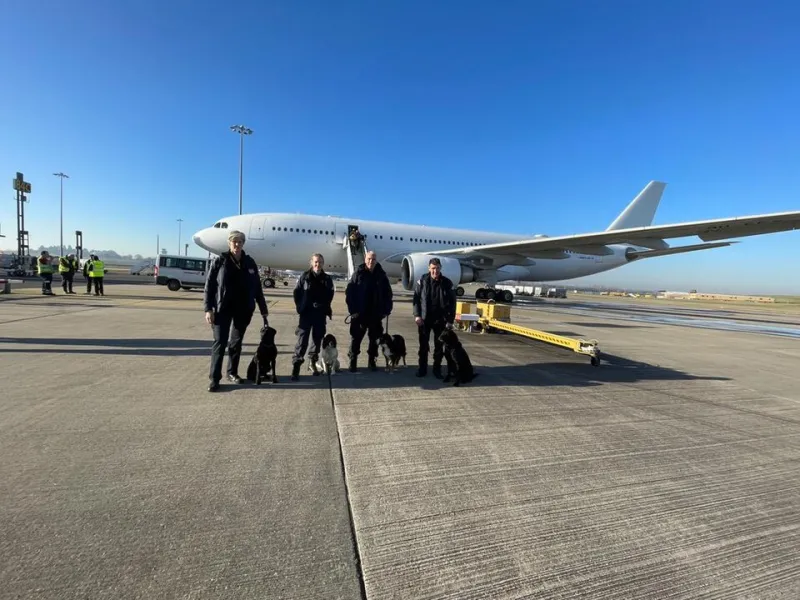
Photo: Bret Painter, CC BY-SA 4.0, via Wikimedia Commons
In UK newsrooms, the picture desk is often treated as the final administrative step before publication. The reality is less passive. Picture editors decide whether an image is usable, whether a caption is safe and whether the rights allow the story to run. A pitch that has been carefully sold to a news editor can still falter because the supplied photograph is too small, wrongly credited or tied to terms nobody can verify.
That is why visual readiness should sit within media relations, not in a last-minute handoff to a production team. The picture desk is a gatekeeper, and it applies its own tests.
What picture editors check first
The first test is technical. A web-ready image may look fine on a laptop screen and fail in a newsroom system. UK picture desks generally want a high-resolution master file, a clean crop and a version that can be resized without losing quality. A long edge of at least 2,000 pixels is a useful baseline for many digital outlets, but broadcast and print requirements can be higher.
The second test is composition. Crop-safe images matter because a story may run in a square social format, a wide homepage slot or a vertical mobile card. The subject should not sit at the very edge of the frame. Avoid text embedded in the image. Avoid images that only work in one aspect ratio.
The third test is caption accuracy. Picture editors need to know who is in the image, what they are doing, where and when the image was taken, and who owns it. A caption that says 'team at work' is not a caption. A caption that names the wrong person is a correction waiting to happen.
The checklist before the pitch goes out
A practical visual assets checklist should be completed before a media pitch is sent, not after a journalist expresses interest.
- Master file: high-resolution, unwatermarked, in a common format such as JPEG or TIFF.
- Crops: at least one landscape, one square and one vertical version where relevant.
- Captions: a separate document with names, roles, location, date and credit line.
- Rights: a clear statement of ownership, licence, usage terms, territory and expiry.
- Consent: model releases for identifiable people, especially children, and property releases where needed.
- Timing: embargo details and a clear point of contact for out-of-hours queries.
- Access: a download link that works without an account, or a named contact who can send files quickly.
The list is unglamorous. It is also the difference between a story that runs with the organisation's preferred image and one that runs with a stock photograph, a generic graphic or no visual at all.
Rights and captions are not back-office details
UK copyright law does not become optional because a story is moving quickly. A photograph supplied by a partner, agency or customer may carry restrictions that prevent news use. A picture taken at an event may need a property release if the location is identifiable and the use implies endorsement. A customer photograph may need consent from everyone featured.
Credit lines should be precise and agreed in advance. 'Photograph: Company Name' is acceptable only if that is the correct form. If the image is licensed from a photographer, the credit should match the licence. If the image is supplied for news use only, say so. If the licence expires, say when.
Picture editors are not trying to create friction. They are protecting the publication from legal and editorial risk. The communications team that supplies clear rights information makes the picture desk's job easier and its own story more likely to run.
Timing is part of the asset
Newsrooms work to deadlines that are often invisible to external teams. A high-resolution image sent by email attachment at 4pm may not reach the picture desk in time for a 5pm digital publication. A download link is usually better, provided it works. For embargoed stories, provide access at the embargo lift and make clear who can answer questions.
It also helps to ask the journalist what format the outlet prefers. Some desks want a link and a caption in the body of an email. Others want a folder with named files. A short visual note at the top of a pitch can save several rounds of correspondence.
Put visual readiness into the media relations process
Assign an owner for visual assets on every campaign. Add a visual readiness field to the pitch template. Test the process with a friendly picture editor before a major launch. Review after each campaign which images were used, which were rejected and why.
The picture desk is not a back office. It is part of the editorial decision. UK communications teams that treat visual assets as a media relations discipline will find that their stories clear one more gate with less friction.